Application Process

The Seeds, Soil, and Culture fund recommends grants by invitation only. Unsolicited proposals for funding are not eligible for funding. For inquiries about the Seeds, Soil, and Culture fund, please contact The Tamalpais Trust Navigation Council: navigationcouncil@tamtrust.org.

Grants Awarded

You can learn more about our sister organization Tamalpais Trust, which manages the Seeds, Soil and Culture Fund, at https://www.tamtrust.org.

We encourage you to listen to a great podcast called Native Seed Pod which shares stories on seed work that is near and dear to our hearts. The Native Seed Pod — at https://www.nativeseedpod.org/ — is funded by Tamalpais Trust.
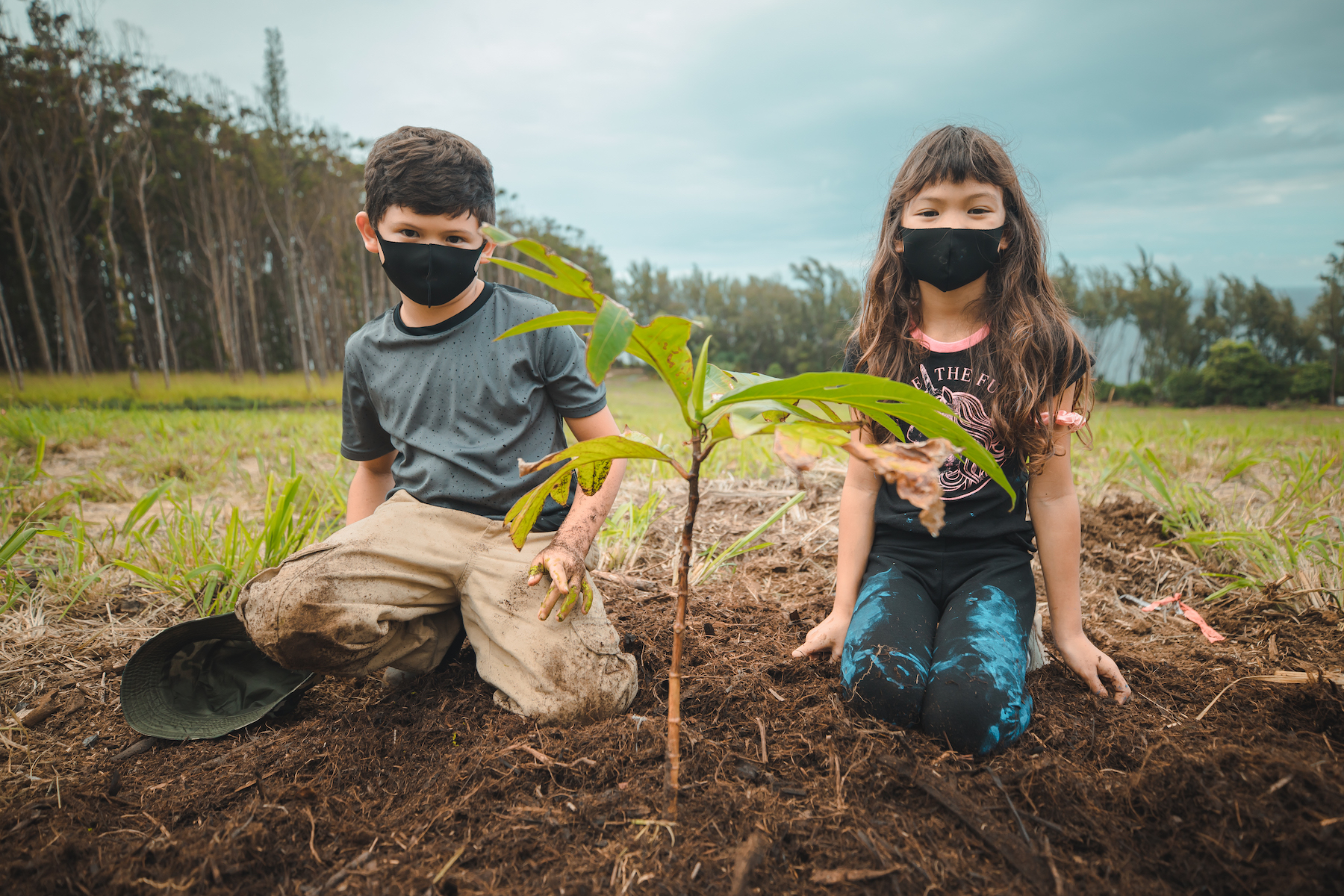
Accion por la Biodiversidad and Anamuri, a Chilean rural women’s organization, are organizing a gathering of indigenous seed keepers from South America’s “Southern Cone” (Chile, Argentina, Uruguay, Paraguay, Brazil). The seed keepers will convene in Chile to share rituals, wisdom, knowledge and history of indigenous peoples related to seeds and lead workshops on traditional seeds and agroecology from indigenous perspectives and experiences.
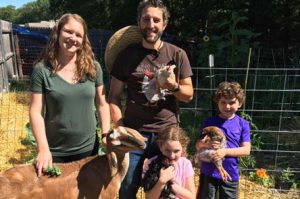
The African Institute for Culture and Ecology (AFRICE) is providing support for small-scale farmers in the Lake Edward Ecosystem of Uganda to revive and strengthen their traditional seed and farming knowledge systems and diminish their vulnerability to food insecurity. AFRICE leads dialogues and workshops on preserving, storing, and multiplying indigenous seeds, encouraging agroecological practices, and supporting intercommunity learning on the spirituality of seeds, food rituals, and local seed preservation and breeding.

ADI is working to strengthen the Dyikan Muras (Farmers’ Heritage) Seed-Savers Network of women vegetable growers by reviving local seed preservation and the philosophy that seeds are sacred beings and symbols of people’s relation to nature. ADI is helping to create five household-level seed-plots as demonstration and learning venues in two regions of Kyrgyzstan.

In addition to awarding nearly $7 million in grants to organizations working collaboratively to advance the science and practice of agroecology, the AgroEcology Fund (AEF) hosted a Learning Exchange in February 2020 in Karnataka, southwestern India to draw lessons from a massive public program for agroecology called Zero Budget Natural Farming and to share knowledge and experiences across geographies and cultures on how best to strengthen movements for agroecology around the globe.

ARCOS Network works with 32 communities in Rwanda and Uganda, hosting rural youth to learn about managing traditional seeds from elders, organizing gatherings on native fruits in the mountain region, and helping communities develop agroecological enterprise opportunities. The principle partners of ARCOS for this project are, in Uganda, the Kapchebut Elgon Farmers Association and the Kanaba Community Development & Echuya Forest Conservation Association and, in Rwanda, the Jyambere Munyarwanda Farmers Association.

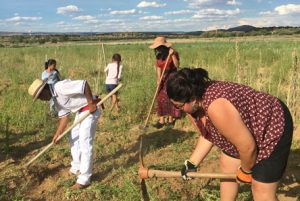
The Saginaw Chippewa Indian Tribe of Michigan is creating Anishnaabeg Ogitigaaniwaa (The People’s Garden), a food sovereignty initiative of their Seventh Generation Program, to localize the Tribe’s food system in a culturally meaningful way. They are creating sister garden pathways to grow traditional foods and medicinal plants and provide Indigenous Science teachings. They will reintroduce planting and harvesting songs in their traditional language. Community members will learn to make and use traditional farming tools. Harvested foods will be used in community feasts, their school lunch program, and a Seed-to-Table program for their Elder care center, revitalizing the ways of their ancestors while they work together to grow, prepare and share foods.

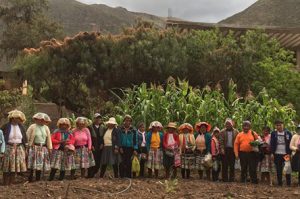
In April 2017, Asociacion ANDES and the International Network of Mountain Indigenous Communities (INMIP) organized a Walking Workshop in Peru’s Sacred Valley, where local indigenous farmers are conserving their natural and cultural resources as well as their traditional knowledge and spiritual values about health, food, and agriculture.

In 2018 Asociacion ANDES and the International Network of Mountain Indigenous Communities (INMIP) are again leading a Walking Workshop, this time in Kyrgyzstan. The theme of the workshop is “Biocultural Heritage for Resilient Mountain Communities”. Community members from 12 countries are exchanging knowledge and experiences, exploring biocultural heritage-based solutions to climate change impacts in their mountain environments.

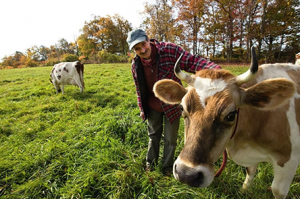
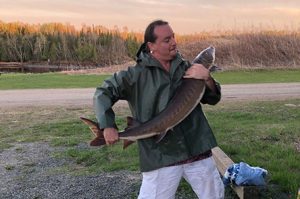
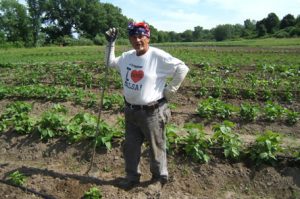
BDA is aiming to build new relationships between biodynamic, traditional, and indigenous agricultural communities across the Americas by facilitating the cross-fertilization of agricultural and cultural knowledge through cross-cultural field days, scholarships for indigenous farmers and leaders to attend BDA’s biannual conference, and by developing a Spanish-language curriculum for learning about biodynamic agriculture. One of their farmer members is Lincoln Geiger at Temple-Wilton Community Farm (pictured here).

Bioversity is collaborating with UBINIG (Policy Research for Development Alternatives) in Bangladesh and LI-BIRD (Local Initiatives for Biodiversity, Research and Development) in Nepal to organize seed knowledge exchanges and build a digital portal to facilitate access to information on heritage seeds. UBINIG is also working with the Nayakrishi Seed Network and LI-BIRD with the National Community Seed Bank Association to strengthen their voices in national dialogues about seeds and solidify linkages with civil society and governments.

The Bishop Paiute Tribe in the Owens Valley of California is revitalizing the use of traditional foods in their community and re-establishing traditional food gathering areas. Elders in the community are leading traditional food field trips to share their knowledge across generations. The Tribe is reconstructing food gathering gardens on lands where an ancient irrigation system was vitally integral to community food security pre-20th century, further engaging the community in its local seed library, and nurturing young people to become the new generation of cultural food stewards of the Bishop Paiute Tribe.

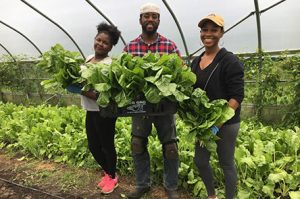
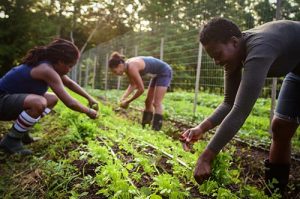
BDFC is co-facilitatating on-farm Afroecology Education processes that are rooted in the wisdom of nature, foster intergenerational knowledge exchange, and bridge rural-urban divisions. This work nurtures the regeneration of People Of Color in nature-based activities to recover their agrarian identities, Afro-diasporic histories and magic, and Black Peoples’ reconnection to the land following 400 years of enslavement in the now-United States.

https://www.blackearthfarms.com

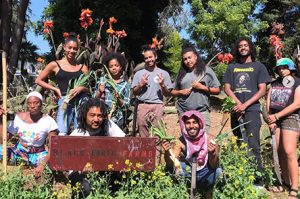
Black Earth Farms (BEF) is working to bring high-quality organic produce, at very low or no charge, to houseless people, vulnerable families and individuals, at-risk youth, women-led households, and elders in the greater community of Oakland, California. BET’s work is grounded in the spirituality of their land stewardship beliefs and practices, as taught by through the decades by their ancestors.

The Restorative Economy Program of BMWC includes the restoration of traditional fields and watersheds, in-the-field learning from Clan Mothers and Elders about traditional farming, strengthening cultural lifeways, and empowering local youth to act for food sovereignty on the Navajo Nation Reservation of northern Arizona. BMWC emphasizes the sacred nature of seeds as living gifts that have been passed from generation to generation for centuries.

BTS is a network of indigenous corn keepers and cultures across Turtle Island working to steward sacred ancestral varieties and traditional farming practices. BTS is also providing small-scale farm equipment and seeds to Tribal Nations that have hosted Braiding the Sacred gatherings, in an effort to increase production efficiency and expand Tribal citizens’ access to traditional seeds. BTS will also submit soil samples from Tribal Nation farms to a soil testing service that focuses on soil microbiome diversity, then host a series of virtual events to share the information intertribally for discussion.

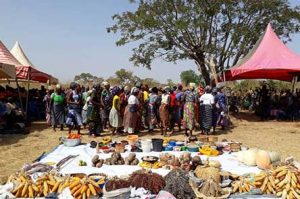
The Center for Indigenous Knowledge and Organizational Development (CIKOD) in Ghana has established a network of more than 840 smallholder women and men farmers in the Upper West and Brong Ahafo Regions to further the practice of and respect for traditional agroecological knowledge in the food system. This approach means working with elders to deepen and expand intergenerational learning about local seed varieties, seed saving, and seed sharing, while aiming for a better understanding of African spirituality in food and farming, and the application of African spirituality led by traditional wisdom holders.

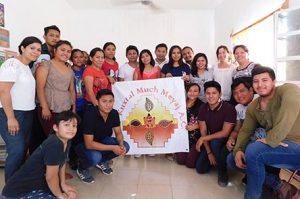
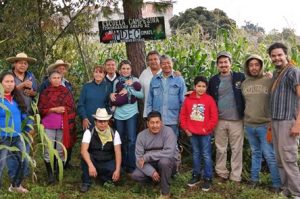
In the Campeche region of the Yucatan Penninsula, Mexico, the Community Agroecology Network (CAN) and Ka’ Kuxtal Much Meyaj (KKMM) are collaborating to sustain Mayan spirituality within a Maya Agroecology which honors Mother Earth as a living being. To that end, CAN and KKMM accompany women, youth, and families within the Network of Campesinos and Seed Guardians in the practice of a Mayan Agroecology, to strengthen the rural economy of Maya families through the sowing of native seed varieties, and facilitate dialogues about Maya native seed recuperation and community relationships with the use of spatial mapping.

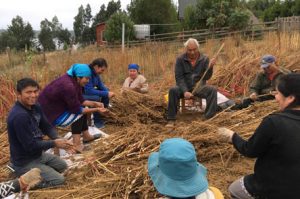
The community of Llaguepulli in the Lafken Mapu land area of southern Chile is producing compost from seaweed to nourish their agricultural soils, safeguarding heritage seeds, and using traditional agroecological practices. This work is guided by Mapuche philosophy whereby their most sacred values are caring for the Earth and acknowledging people’s co-existence with forests, waters, and the land

The Detroit Black Community Food Security Network (DBCFSN) is strengthening the marketing and infrastructural capacity of its D-Town Farm while leveraging the economic, social, and political powers of Detroit’s African American community to build a more locally controlled food system that is rooted in people’s knowledge and participation. DBCFSN’s organizational values of Love, Self-Determination, Integrity, Justice, Respect for Life and Nature, and Sustainability align perfectly with the spirit of Seeds, Soil & Culture.

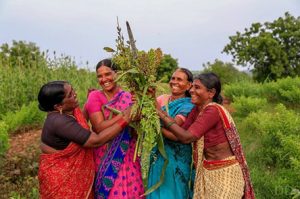
DDS is supporting women and men elders in Telengana, India, to share their knowledge of traditional seed stewardship with 350 rural young women, tomorrow’s “seed keepers”. The local councils of elders and staff from the DDS Farm Science Centre are joining the new “seed keepers” for workshops that highlight the wisdom and traditional practice of seed keeping.

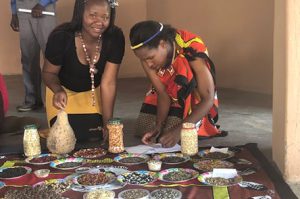
EarthLore is expanding its Back to Roots initiative in Mpumalanga Province and Limpopo Province, South Africa, by hosting community dialogues, trainings in agroecology, learning exchange visits, and a Seed and Food Fair. In all these activities, smallholder farmers share their views on the value of traditional seeds in solidifying social cohesion, and the role of women as caretakers of the spiritual and cultural ways of seeds.

https://earthseedlandcoop.org

The Earthseed Land Collective is deepening its commitment to Food Justice and Food Sovereignty through its support of Black and Latinx-led food and farming initiatives. This includes member-led Tierra Negra Farm which models and promotes the use of traditional agrarian practices from the African Diaspora, AfroCarolina, and Indigenous South America, with particular focus on taking care of the land as a partner, seedkeeping, food preservation, and food as medicine. Tierra Negra’s Farmshare continues to practice “la minga” by which Farmshare members work at the farm and receive shares of produce and medicinal plants in the spirit of collective work for the collective good.

Eco Ruralis is building on its cultural and spiritual strengths to fortify the channels of conserving and distributing small-scale, family farmers’ seeds in Romania that it has helped create. Eco Ruralis is organizing decentralized seed distribution via regional community seed houses. The community seed houses in turn are coordinating the distribution of the traditional seeds to small-scale farmers in the regions, along with informative materials on seed sovereignty and peasant farming and culture. Eco Ruralis also coordinates meetings with peasant women who manage the community seed houses, in concert with grassroots cultural events and opportunities to promote rural feminism.

In the Sacred Valley of Peru, Ecohuella is creating a lot of interest in local production and conservation of open-pollinated vegetable seeds among local farming communities. Now Ecohuella is helping smallholder farmers there to improve their access to water resources that are needed to irrigate the seed production and conservation plots and assist in wider use of organic fertilizers that are made on-farm. Ecohuella has also been providing more training opportunities and internships for young people on how to grow and conserve local, open-pollinated vegetable varieties, much of which occurs at its own demonstration plot.

Ekvn-Yefolecv is an intentional ecovillage community of Indigenous Maskoke persons who have returned to live in their traditional land in current-day Alabama, practicing linguistic, cultural, and ecological sustainability. As part of their return to their ancestral lands, the Ekvn-Yefolecv community is building an eco-lodge called Vlahoke, and off-grid facility that will include a farm-to-table restaurant, museum, and serve as gathering place for meetings and educational events. Four food forests will surround Vlahoke, land that will primarily be comprised of plant and tree species that are culturally significant to Maskoke Peoples.

In the indigenous community of Cliza, Cochabamba, Bolivia, children in 11 elementary schools are learning about local seeds, and the traditional culture and spirituality that underlies traditional food and farming. Teachers and students are creating school gardens and seed banks to process and store traditional seeds, creating events for seed exchange and community education, and sharing the harvests of the school gardens and seed banks.

The Farmers Seed Network in China, working with Dr. Yiching Song from the Center for Chinese Agricultural Policy and the Chinese Academy of Sciences, and in collaboration with Bioversity International, is conducting participatory research and training on farmer-managed seed systems in six communities in southwest, northern, and eastern China.

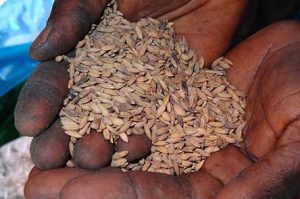
Federation KAFO, a smallholder farmers’ organization working primarily in the Oio and Cacheu regions of Guinea-Bissau, is conserving and multiplying heritage white fonio (Digitaria exilis) whose center of origin is the savannah region of West Africa. Federation KAFO is consolidating strategies developed from the knowledge of more than 5,000 farm families in 59 rural communities, with a focus on developing its nutritional qualities and revitalizing its cultural significance in the region.

Located in Santa Clara Pueblo of high desert New Mexico, Flowering Tree Permaculture Institute (FTPI) recognizes that ancestral foods and indigenous ways of knowing are vital to the health and cultural survival of their community. FTPI is deepening and broadening its Pueblo Food Experience program through its heritage seed library, solar-powered outdoor food processing facility, and custom-designed adobe greenhouse, so that local women are better able to maintain and improve the health and well-being of their families.

FERN is supporting agricultural writer, Lisa Hamilton, to tell the story of Ia Moua, a Hmong woman and refugee from Laos who immigrated to the U.S. and carries on the work of her ancestors, growing rice by hand in California’s Central Valley. As it traces these sacred seeds and the people who grow them, Ia Moua’s story is one of time-forged connections between identity, adaptation, and resilience.

RSF Social Finance’s Food System Transformation Fund (FSTF) provides catalytic loans to social enterprises in the U.S. that strive to create a flourishing regional food and agriculture supply chain. It funds businesses and organizations that are directly involved in the production, processing, and distribution of foodstuffs produced with high ethical and ecological standards. Producers may borrow from the fund for a range of needs including working capital and equipment. The Seeds, Soil & Culture Fund loaned financial resources to the FSTF in June 2017.

Working in Indigenous territories of Panama, FUNDEPW is helping the Wounaan People recover their biocultural customs in 17 communities encompassing more than 350,000 acres of the Chocó-Darien tropical forest, including watercourses that feed into the Pacific Ocean. Their program includes workshops on soil health and seed collection, conservation, and distribution; literacy instruction in the Wounaan Meu alphabet; teaching traditional Wounaan flute, dancing, and gastronomy; and registering more than 400 documents and audio files in Wounaanmeu and Spanish that tell ancestral stories of Wounaan traditional foodways and biocultural customs.

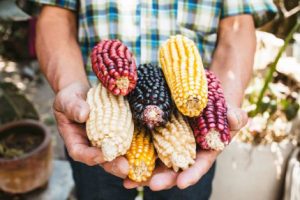
Giiwekii is a long-term initiative to bring Mandamin, Indigenous Anishinaabe flint corn, back to Mooningwanekaaning (otherwise known as Madeline Island, Wisconsin) as well as breed a climate adaptive new Island variety of ancestral corn. Giiwekii is a collaborative effort between Bad River Tribal Food Sovereignty program members, Indigenous community members associated with the Island, Indigenous regional corn growers, and the nonprofit organization Great Lakes Lifeways Institute. The Giiwekii initiative is protecting biodiversity, reintroducing traditional foodways to a culturally significant location, increasing food sovereignty, and creating educational and work opportunities for the tribal and broader public community, all of which help to strengthen Indigenous-based climate resilience and food systems within Anishinaabe homelands.

The Global Alliance for the Future of Food (GA) aims to accelerate the transition to agroecology as a core solution to world food security and conservation of the Earth’s natural resources. To that end, the GA is building upon its collaborative achievements in educating multilateral public and private donor organizations about resilient seed and food systems and agroecology as central to the future of food, farming and people’s well-being.

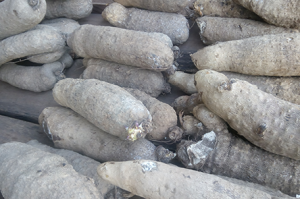
AGED is working in the Kankan Region of Guinea, West Africa, to document and conserve heritage yam varieties in collaboration with farmer leaders who have significant experience planting these varieties within their local cropping system. These yam farmers are gaining a renewed sense of the value of their heritage yam varieties, as they plant, conserve, and conduct research about them.

Hopi Tutskwa Permaculture Institute (HTPI) is further developing its Indigenous Earth Steward Leadership Initiative intended to build Hopi people’s capacity for collective self-determination that is embedded in their Indigenous worldview. The Initiative creates opportunities for Indigenous farming, seed stewardship, traditional ecological knowledge, local food markets and cooperatives, and youth-led media activities. HTPI’s work also includes construction of traditional corn roasting pits and grinding areas, as well as workshops on traditional arts and regional food foraging of indigenous foods.

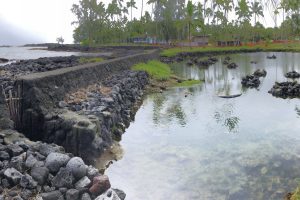
Hui Hoʻoleimaluō is focused on loko ia (Hawaiian fishpond) restoration in the ahupuaa (land division) of Waiakea on the South East Island of Hawaii. Traditional Hawaiian fishponds offer a sustainable way to increase access to local food year-round and also provide a way to connect families and communities with the land around them. Hui Hoʻoleimaluō engages students, teachers and families in the restoration and maintenance of Keaukahaʻs unique loko i’a (fishpond) and loko wai (anchialine pool) in a way that promotes the prudent use of Hawaiʻi’s natural resources, protects watershed systems, and supports resilience of the coastal environment.

huiMAU is restoring the Indigenous ʻulu (breadfruit) forests in Koholālele, Hāmākua on Hawaiʻi Island, and regenerating a cultural landscape for learning traditional farming and fishing practices that provide connections to the land, ancestors, and akua (gods). huiMAU sees ola (health and well-being) as the balanced convergence of abundant ʻāina (land) and thriving people, as each grows as a reflection of the other.

Indigenous Terra Madre (ITM) is a network of indigenous communities, partners and organizations working to bring indigenous peoples’ voices to the forefront of the debate on food and culture, to institutionalize indigenous peoples’ participation in the Slow Food movement and its projects, as well as to develop both regional and global networks. ITM organizes global and regional indigenous-led meetings which represent key moments for ITM members to meet, debate, exchange knowledge and food products as well as to raise awareness among governments and civil society on indigenous peoples’ issues.

Photo credit: © Nderim Kaceli, Slow Food Archive

The Jewish Farmer Network is hosting its inaugural conference, Cultivating Culture: A Gathering of Jewish Farmers, in North America as an opportunity to share food, their growing experiences, and land stewardship values; to discuss and appreciate the wisdom of ancient Jewish agriculture and its connection to farming today; to reaffirm the historical legacy of Jews as a people of the land; and to strengthen their collective ability to grow a world of nourishment and justice.

Jubilee Justice works with African American farming communities to increase collective self-determination and access speciality markets for rice and other high-value crops. Its goal is to secure and improve farm income and repair systemic harm and discriminatory practices, based on environmental stewardship and sustainable growing practices.

The Roots Program of Kōkua Kalihi Valley Comprehensive Family Services (KKV), grounded in traditional Hawaiian values, seeks to increase food and health abundance in the greater Honolulu area of O’ahu. Through cultural knowledge sharing and skills training; grassroots food and food production resource exchange; use of local supply chains to support local farms and consumers; and ongoing collaboration with local and statewide cohorts, Roots benefits the Kōkua Kalihi Valley community by applying an indigenous model of health that views connectivity between people and their knowledge as a primary author of health.

Koshi Tappu Kanchenjunga Biodiversity Education Livelihood Terra Studio (KTK-BELT) and its local partner, Yangshila Permaculture Learning Grounds (YPLG), are collaborating to create a Vertical University – from sea level to 8,000 meters – for learning biodiversity conservation, heritage botany, and indigenous knowledge of environmental management. The partners are also strengthening the skills of indigenous women and men farmers to conserve and multiply local seed and plant varieties in eastern Nepal, an area of biodiversity and native home to 6,700+ species of vascular plants and 800+ bird species.

La Mujer Obrera (LMO) is continuing to work with residents of the Chamizal neighborhood of El Paso, Texas to share and document their experiences and stories of resiliency in maintaining their traditional foodways, and the contributions they have made to their community. The contributions include creating artistic expressions about residents’ traditional foodways, growing heritage seeds, planting home gardens, and cultivating Indigenous medicinal plants.

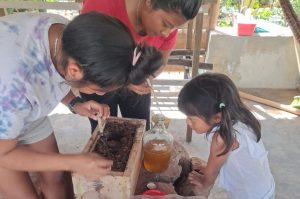
Ma’alob Kuxtal ich Abal Ha’ (Healthy Living in Abalá) is reviving Yucatan Maya ancestral knowledge about native bees and medicinal plants by establishing a community space in northeastern Yucatan that is focused on learning and teaching about meliponiculture. Through workshops about Xunankab bees (known as “the honey ladies”) and the medicinal plants that sustain them, they are connecting elder knowledge holders with Mayan families interested in nourishing this cultural and environmental heritage for future generations.

https://marshviewcommunityorganicfarm.com

Marshview Community Organic Farm is dedicated to preserving Gullah cultural foodways on how to grow, cook, and market fresh and value-added food products from food crops that have been culturally important to the people of the Lowcountry region for over 400 years. Marshview Farms’ programs are providing opportunities for local young people to learn about organic farming, healthy eating, and Gullah culture to build practical career experiences, develop entrepreneurial skills, and nurture community volunteerism.

Meli Bees Network is empowering Indigenous leaders to gain technical expertise in agroforestry, meliponiculture (the breeding and management of native stingless bees), and project management through their Meli Fellowship program. This collaborative program, which supports Indigenous communities in Brazil and Peru, includes hands-on workshops, cultural storytelling, mentorship with experienced practitioners, and development of demonstration plots and pilot projects that use regenerative practices. The fellowship helps to foster reliable income streams while creating a network of changemakers who are driving their own sustainable development initiatives and advocating for the rights and interests of their communities.

The Menominee Tribal Department of Agriculture and Food Systems (DAFS) has created garden “classrooms” where ancient agricultural and agroforestry practices are taught by elders and practitioners to tribal families, schoolchildren, and farmers. Tribal members are replicating ancient irrigation technique using wells and irrigation systems in organic, raised bed crop and garden fields. They are growing plants that are Indigenous to the Menominee People, and are saving seeds from these plants, which have been grown in the Tribe’s northern climate for centuries. These seeds and foods are culturally significant and important to the reclamation of Menominee identity.

Mohawk Seedkeepers is developing a Haudenosaunee Agricultural Ways Learning Centre in Six Nations, Ontario, founded on the principle that Haudenosaunee connections to sources of food are key to the health and well-being of Six Nations people with priority given to elders and youth. The Centre’s learning curriculum features ancestral seed saving, local seed library development, traditional food preservation and cooking, traditional crop production, traditional art forms, and language revitalization through songs and ceremonial practices that honor crop seeds and Mother Earth.

MELCA is working in two communities in Ethiopia, Telecho and Haroberbabo, to build young farmers’ skills in conserving traditional seeds and understanding the cultural knowledge associated with them. MELCA is inviting other communities to learn about seed banks as a way toward small-scale farmers’ seed sovereignty, particularly for crops managed by rural women.

The Na’ah Illahee Fund Yahowt (“Together, we lift up the sky”) program aims to build a prosperous Pacific Northwest region with vibrant Indigenous communities that have found their way back to healthy cultures, lands, and economies. Yahowt invites Native youth, elders, and community members to share Indigenous ecology practices, medicinal knowledge, and Native ways of being across generations. Through their land-based work in the region and at Daybreak Star Indian Cultural Center, Yahowt is revitalizing the land, waters, and ecosystems of 20 acres and creating a food forest in Seattle’s Discovery Park.

NAFSA’s Indigenous SeedKeepers Network (ISKN) nourishes seed sovereignty across Turtle Island by conserving traditional seeds in their indigenous cultural context, via mentorships and its SeedKeepers cultural curriculum. A key action is the rematriation of traditionally sacred seeds from public and private institutions (museums, seed banks, universities).

NDPonics is expanding its Eena-Ahtay (Mother-Father) Project by creating a safe space for indigenous women, other women of color, and members of indigenous and marginalized communities of Virginia and North Carolina to gather together and exchange traditional ecological knowledge, farming techniques, culture and language, and cuisine. The project is also remediating forested land, creating wild grass and pollinator flat meadows, and developing food producing riparian areas around a designated eastern brook trout stream.

Located along a ridgetop in North Central Massachusetts, Pequoig Farm is working to advance Nipmuc food sovereignty by building a healthy, robust farm ecosystem that provides food, medicine, land-based education, and cultural connection for the Nimpuc tribal community. In 2022, Pequoig Farm returned to Nipmuc stewardship thanks to a partnership with The Farm School, and their desire to uplift Nipmuc self-determination. Currently, Pequoig farm fosters connection to the region’s natural systems through cultivation, hunting, foraging, fishing, fiber arts, medicine-making, and ceremony. These efforts are addressing the long-term effects of colonization, enhancing health outcomes and strengthening food sovereignty.

For over 25 years, Nuestras Raíces has operated an urban farm in Holyoke, Massachusetts, called La Finca, a place where culture, ecology, and the idea of equitable economy intersect. Many people in this community are of Puerto Rican and Latinx heritage, and many are working in the farming and food sector. Nuestras Raíces is deepening its connections with the Holyoke immigrant community while focusing on culture and health. It is expanding its cultural food education program to bring more children’s groups to La Finca, investing in its network of community gardens, and growing its cultural celebration series. Nuestras Raices encourages community members to share their life experiences, expertise, and leadership to build a food system that features Taino food products, cuisine, and seeds, all of which are cultural keys for Puerto Rican and Latinx people.

The Organic Seed Alliance (OSA) is bringing heritage seed stewards from throughout the Americas to participate in a two-day “Seed Ambassadors” consortium at the front end of the World Organic Congress in Rennes, France. The purpose of the pre-Congress gathering is to foster cultural diversity and intergenerational representation within the organic seed community and strengthen its collective voice on global seed stewardship issues and ethical crop development. An estimated 150 farmers in all will be hosted for a field trip to on-farm seed research sites and attend workshops on preserving the diversity of cultures, traditions, and foods; celebrating culinary diversity; appreciating the diversity of plant breeding models; and supporting the next generation of cultural seed breeders.

The PHSL continues to work with small-scale Palestinian farmers to revitalize the sowing of heritage crops, while adding heirloom fruit trees, flowers, and landscape plants to its offerings. The PHSL is also expanding its heritage seeds outreach and Traveling Kitchen programs, and improving its agroecology learning site in Battir, including upgrades to its terraces, building a second greenhouse, managing beehives, planting more fruit trees on its Apple Path, and bringing more school children to its agroecology learning site.

Traditional teachings of the Pawnee people in Oklahoma, U.S. say that Atira Rikisu, Mother Corn, has a place in every Pawnee home lodge. The Pawnee Seed Preservation project is enhancing the visibility of Atira Rikisu in modern Pawnee spirituality and ways of living. The project is implementing mentorships and community gardens whose crops align with the natural cycles of plants as medicine and food, guided by Mother Corn.

The Public Organization Rushnoi is working with 13 local fruit farmers in Tajikistan to research and collect seeds and seedlings for planting and grafting heritage varieties of fruit trees using traditional methods. The project includes the development of Rushnoi’s Apple Park and Botanical Garden, Kuhsori Alam, and its cultural museum and local farmers’ meeting center.

The Tesuque Pueblo in New Mexico built and continues to expand a multi-purpose Seed Center to complement its 75-acre organic fruit, grain, and vegetable farm. Heritage seeds are stored and distributed at the Center which was constructed by Pueblo residents with local materials. It features traditional architectural styles and runs on renewable energy.

Based in the central Guatemala region of Rabinal, Qachuu Aloom is supporting young people to increase their knowledge of Maya Achí spirituality and culture as a continuing process of learning from their grandfathers, grandmothers, mothers, and fathers, and all others who came before them. By integrating the cultural concepts embodied in Maya Achí spirituality into their everyday lives, young people are better able to focus their life goals and fundamental purpose of their existence, while honoring the natural relationship with Mother Earth that makes it possible for Maya Achí people to live every day in harmony with the living seeds, soils, forests, and waters all around them.

The Rural Advancement Foundation International (RAFI-USA) is continuing to build its Farmers of Color Network (FOCN) in North Carolina and neighboring states, hosting its Gathering Roots Convenings, and expanding its NC Seed Stewards Initiative. In addition, RAFI-USA’s “Farmer Work Brigades” creates pathways of direct assistance to FOCN farmers. Implemented in partnership with the South Eastern African American Farmers Organic Network (SAAFON), volunteers in Farmer Work Brigades assist in farm work, share meals, and explore the historical and cultural traditions of agrarian communities of color.

RAF-NSFI continues to work with African American youth and farmers to regenerate farming as a way of life in South Carolina, aiming to interest young people in leading a life or developing a career in food and farming. In doing so, RAF-NSFI organizes a year-long, hands-on learning program involving 50 African American young people that includes field work, field visits and demonstrations, non-formal and formal learning opportunities, and meetings and discussions with African American farmers about growing culturally and historically relevant food that is healthy for people and good for the environment.

SAFSF amplifies the impact of philanthropic and investment communities in building a just and sustainable food and agriculture system through information offered and obtained via webinars, policy discussions, regional initiatives, and SAFSF’s annual thematic forum.

Seedshed nurtures a cultural, ecological, and spiritual reverence for traditional grain, vegetable, and fruit seeds by sharing and improving people’s seed stewardship knowledge and skills, particularly in the Hudson Valley NY bioregion. Seedshed is bringing traditional seed stewards together at two seed gatherings in the bioregion to share information and tools for building an agroecological seeds ethic in communities where they live and work.

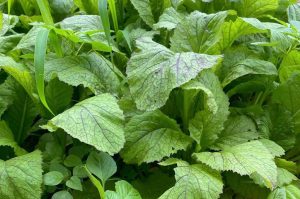
The purpose of Slow Food Ryukyus’ Ark of Taste Project is to preserve Ryukyu (Okinawa)’s food heritage for future generations by researching and documenting native plants and prepared foods that are specific to the area. They are interviewing elders, knowledge holders and producers throughout Okinawa Prefecture to learn about Ryukyu food culture, cultivation methods, tools, wisdom and way of life, all of which have drastically changed since Japan annexed the island about 150 years ago. The information gathered supports their efforts to register foods with the Ark of Taste living catalog of foods facing extinction. Slow Food Ryukyus is also preparing and disseminating a booklet to highlight eight Ryukyu foods registered with the Ark of Taste as of 2022, including Shimana (Okinawa Red Mustard) and Fu-nu-Iyu (sun-dried mahi-mahi).

Slow Food Turtle Island Association (SFTIA) is an association of Indigenous food producers and preparers, educators, and stewards of traditional ecological knowledge and wisdom, seeds, medicines, cultural teachings, and practices. SFTIA provides a platform for representatives from across Turtle Island, regardless of colonial borders, to interface with Slow Food International, the Indigenous Terra Madre network, and national Slow Food organizations, in order to ensure that Native foods are properly represented, and Native food producers and their communities will benefit.

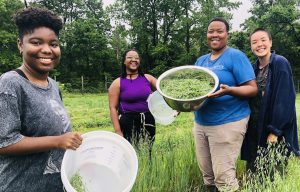
Soul Fire Farm is laying the path for the returning generation of Black-Indigenous-People of Color (BIPOC) agriculturalists to heed the call of the Earth to come home. Soul Fire Farm does this through farmer training programs, virtual and on-farm skill sharing opportunities in English and Spanish, and production and dissemination of its Liberation on Land video series. These programs are deeply rooted in Afro-Indigenous land-based practices and are facilitated by Black, Indigenous, Latinx, and other People of Color land stewards. Soul Fire Farm’s programs equip participants with land-based skills to reclaim leadership roles as gardeners, farmers, and food justice organizers in their communities, heal trauma, and nurture their relationship with Earth. Learners dive deeply into organic farming practices and farm business planning that are rooted in Soul Fire Farm’s cultural curriculum. (Photo Credit: Capers Rumph)

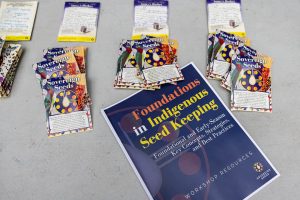
Sovereign Seeds is building Indigenous seed knowledge and practice for seed sovereignty and climate resilience among Indigenous communities. Working closely with Indigenous community members, Sovereign Seeds provides culturally rooted and gender affirming seed and food education and training support to strengthen culturally significant Indigenous seed stocks. These Sovereign Seeds programs are being documented as videos developed in partnership with an Indigenous videographer and located on the Sovereign Seeds website as an information resource.

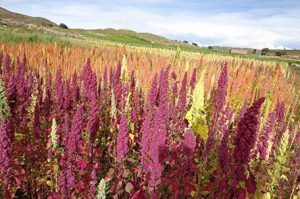
The Asociación Aymara Suma Yapu conserves and promotes heritage potato and quinoa varieties grown in traditional Aymara cropping systems in the Andean high plains region of Puno, Peru. With Seeds, Soil & Culture support, Suma Yapu is documenting the historical memory of Aymara to conserve and multiply these heritage crops.

The Colectivo Suumil Mookt’aan in Yucatan, Mexico uses local milpas and their native seed conservatory as spaces for intergenerational learning about practical and traditional Mayan knowledge that is grounded in the rhythms of daily life, care of local lands, health, and food sovereignty. Suumil’s milpa-based teachers are local campesinxs who share their life-acquired experiences of farming and food with others wishing to learn more about Mayan cultural ways, particularly young people. Suumil emphasizes ancestral knowledge about planets, stars, time, plants, herbal medicine, construction techniques, food preservation, and the Mayan calendar.

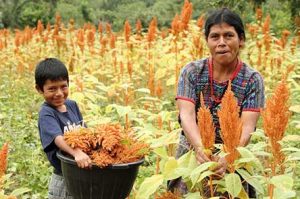
The Garden’s Edge is facilitating cultural exchanges called Seed Travels led by Mayan farmers who will follow old trade routes from Guatemala to gardens in New Mexico, California, and New York, carrying with them traditional amaranth and cotton seeds. With local immigrants, Latinx, and Indigenous people, some who were separated from their ancestral lands, they will plant the seeds which they view as symbols of connections, interdependence, resistance and hope.

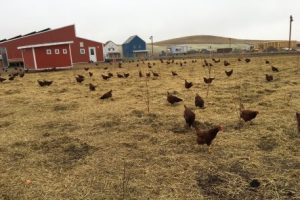
TVCDC collaborates with Lakota youth and families to heal and strengthen people’s cultural identity. TVCDC’s Food Sovereignty Initiative uses Lakota cultural knowledge as the basis for developing a local regenerative food system. The grant is supporting TVCDC to engage community members to grow nutritional food with culturally relevant seeds and raise free-range poultry.

In Guinea-Bissau, Tiniguena is working closely with the Women’s Forum of Urok (FMU) in the country’s Urok Islands. The work is expanding the use of heritage seed varieties, establishing community seed conservatories for culturally and economically important varieties, and increasing smallholder women and men farmers’ capacity to conserve and reproduce heritage seeds for use in agroecological food systems.

The Community Network for the Strengthening of Local Seed Systems (RCFSLS) is a
a collaborative effort of four indigenous and peasant organizations – Tzirondarhu Anapu in Michoacán, Mexico; the Indigenous Coalition of Migrants of Chiapas (CIMICH) and the Emiliano Zapata Peasant Farmers Organization (OCEZ) in Chiapas, Mexico; and the Ancestral Governments of Q’anjob’al, Akateko, Chuj, and Popti’ in Sierra de Los Cuchumatanes, Guatemala. Their work consists of constructing a community seed conservatory in San Andrés Tziróndaro, Michoacán, growing out local crop seeds with high nutritional and medicinal value, and an agroecology learning program in native languages that is grounded in indigenous knowledge.

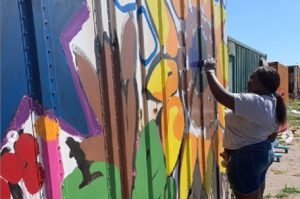
UGC invites local artists to its South Side Farm in Chicago to offer workshops on co-creating public art like murals, mosaics, and functional sculptures, as well as workshops on gardening, medicinal herb cultivation and preparation, and growing heritage seeds. The workshops are primarily attended by members of local communities. UGC also has a “Farmers for Chicago Incubator” and workforce training program in which youth and adults learn to grow, process, and market cultural foods for their health and livelihood.

Utah Diné Bikéyah (UDB), in and around the Bears Ears National Monument lands of southern Utah, has built enduring relationships among local elders, traditional knowledge holders indigenous farmers, and food sovereignty partners for planning and developing a healthy future for the indigenous people who live there. After conducting an assessment of local food systems, UDB is applying local elders’ findings into cultural actions including plant walks by elders and youth to harvest wild foods, storytelling, workshops on preparing traditional foods, and traditional hunting where youth learn traditional teachings around wildlife and land management. UDB is also continuing its action research and outreach on the “Four Corners Potato” that is native to southern Utah and the Bears Ears region.

Ndee Bikiyaa, The People’s Farm, of the White Mountain Apache Tribe (WMAT) is expanding its Apache Land Heals curriculum and develop infrastructure to help foster community engagement through its hands-on, farm apprenticeship program with high school-age community youth, and land-based healing sessions for youth and adults. Its goal is restoring traditional Apache farming, foodways, and culture in the WMAT community.

The WGIFS is guiding a cohort of leaders to revise and implement a food system in British Columbia, Canada that is informed by Indigenous food knowledge, wisdom, and cultural values. WGIFS is organizing workshops on traditional farming, hunting, fishing, and gathering, and developing content for a learning curriculum on Indigenous food systems, pilot testing it in the rural community of Neskonlith Secwepemc and the Urban Aboriginal community of Vancouver. The cohort includes hunters, fishers, farmers, gatherers, health practitioners, oral historians, food entrepreneurs, and alternative economic development specialists. The goal is to learn how Indigenous food sovereignty in British Columbia can be expressed in a mixed economy while upholding the values of giving, sharing, and trading.

ZIMSOFF farmers believe that traditional seeds are fundamental to their cultural survival. Thus, ZIMSOFF is supporting women, men, and youth farmers to sow and conserve local seeds, and to grow diverse, nutritious crops rooted in their traditional knowledge and spiritual values, while nurturing Mother Earth as a living soul. ZIMSOFF does so through farmer-to-farmer learning, field days and seed fairs, technical training, and community dialogues on culture and spirituality. ZIMSOFF goal is to instill a sense of respect and celebration of farming as a cultural way of life to which young farmers can aspire.